
Have you ever had a moment of relief so strong it completely replaced fear with calm?
I had one of those moments when my OB-GYN hesitantly told me the Pitocin wasn’t working. I still wasn’t dilating, and I would need an emergency C-section.
She said it like she was ruining my day.
In reality, she was saving my life and my sanity. Some of us don’t dilate past one centimeter.
I’d been in labor for over 12 hours. My water had broken the night before, and I was more than ready for that baby to be born.
What I wasn’t ready for was a C-section.
Even with a history of abdominal surgeries, I realized afterward that I wasn’t actually prepared for what recovery from a cesarean would look like.
Because here’s the part no one really tells you:
Yes, the hospital sends you home with some stuff—pain meds or OTC recommendations, a few gigantic pads, the mesh underwear they put on you, sometimes even things to help with healing.
I had all of that.
And I still wasn’t prepared.
Because those things are designed to get you through discharge, not through the postpartum recovery after surgery--with a newborn.
They don’t make it easier to move, rest, or function on broken sleep.
That’s the difference no one really prepares you for.
It’s not about what you’re given…
It’s about what actually helps once you’re home and trying to function.
Here’s the simplest way to think about it:
Why Most Hospital Lists Fall Short
Most hospital checklists aren’t wrong.
They’re just incomplete.
They focus on medical basics—what you need to heal safely—not what you need to function comfortably at home.
They assume you’ll have help when you need it.
They assume your space is set up for limited movement.
They assume you’ll be able to do basic things without much difficulty.
But real life doesn’t work like that.
At home, you’re not just recovering.
You’re getting up, sitting down, cleaning yourself, feeding a baby, and trying to rest—all while your body is healing from major surgery.
And that’s where most lists miss the mark.
They prepare you for discharge.
Not for everything that comes after.
The First 72 Hours at Home (What Hits You Fast)
Those first few days after you get home are rough.
I still remember trying to get out of the car after the ride home from the hospital. I had never been more aware of how much we rely on our core muscles just to function.
Everything felt harder than it should.
It’s one thing to be in pain and barely mobile on your own.
It’s a whole different situation when you’re also responsible for a newborn at the exact same time.
And if you’ve done this more than once?
It gets even harder.
I remember recovering from my second C-section while also taking care of a toddler—and that was easily the most difficult recovery I’ve experienced.
Normal, everyday things suddenly weren’t normal anymore:
- Sitting up or laying down
- Getting in/out of bed
- Going to the bathroom
- Taking a shower
- Reaching for things
Even small movements took effort.
And right around the time you get home…
The stronger hospital meds wear off.
What You Actually Need (Broken Down by Real-Life Use)
Getting Up, Sitting, and Moving Without Pain
Let me put it bluntly – your abdomen was cut open, your organs were moved, then everything was put back. So, yes, there will be times when you feel like your guts might fall out.
Support pillow
Make sure you have a pillow nearby. A standard bedroom pillow works great. If you feel a sneeze coming or need to cough, hug it against your core for support.
It sounds simple, but that one thing can make a huge difference in how stable you feel.
Help from Family/Friends
The first few days, I had a lot of help. Between my husband and family, I could stay mostly in one place and use the couch to support myself when I needed to stand.
Nursing Pillow
A nursing pillow helped in multiple ways. It kept the baby off of my actual incision when I was holding him and helped support his weight during nursing.
And that matters more than most people realize.
Because getting up and sitting down isn’t just uncomfortable—it’s one of the hardest parts of early recovery.
A nursing pillow helped more than I expected, too. It kept the baby off my incision and supported his weight during feeds so I wasn’t straining my core.
Going to the Bathroom Without Making Things Worse
No one really prepares you for this part.
Going to the bathroom after a C-section isn’t just uncomfortable—it can feel intimidating the first few times. Drink all the fluids. Hydration really is key.

- Bold recovery mode design for tired moms, new parents, caregivers, and anyone running on...
- Great gift idea for postpartum recovery, sick days, surgery recovery, rest days, or slow...
- Dual wall insulated: keeps beverages hot or cold
You’re sore, your core isn’t supporting you the way it normally does, and the last thing you want to do is strain anything.
The biggest thing to remember is this:
You don’t want to rush it or force it.
Take your time. Move slowly. Give your body a chance to adjust instead of pushing through it.
That’s where a few small things make a big difference.
Stool Softener and Fluids
A stool softener can help take the pressure off in those first few days. Even if you feel like you don’t need it yet, this is one of those times where being proactive helps.
Positioning matters more than you expect, too. Sitting in a way that keeps your core relaxed—and not bearing down—can make the whole experience easier.
And then there’s the part no one talks about enough…
Peri Bottle / Wipes
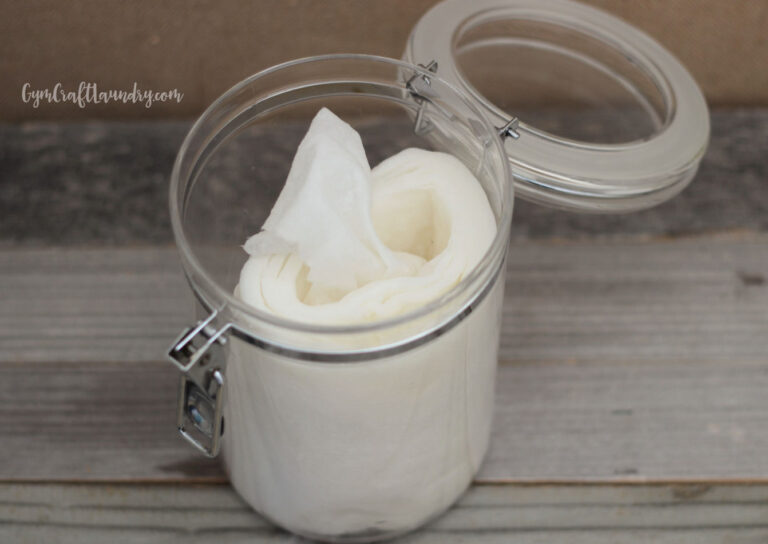
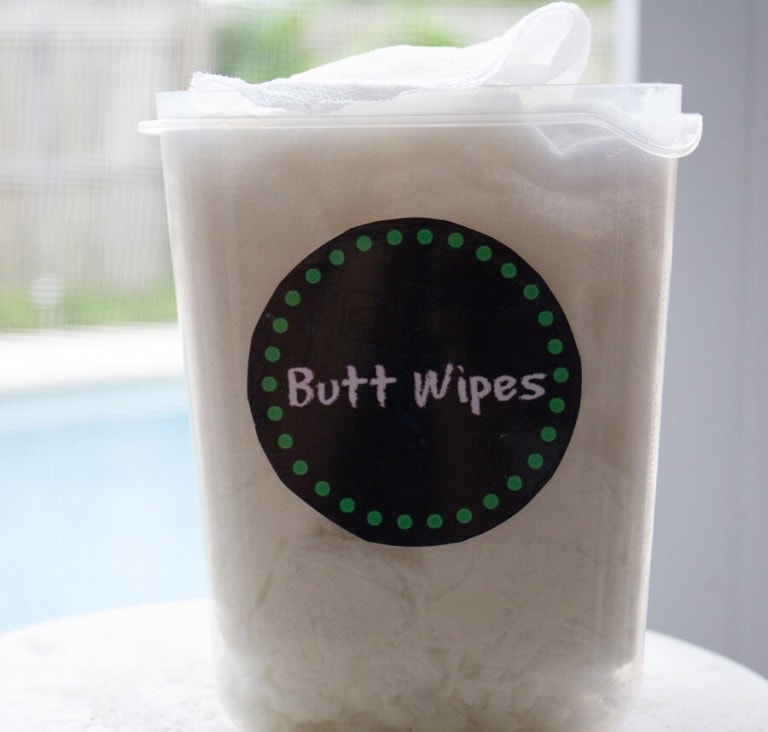
Staying clean. If the hospital doesn’t send you home with a peri bottle to help cleanse yourself after you do your business, order one. It will make a big difference in how clean you feel.
Between limited mobility, soreness, and not always being able to shower when you want to, this is where things can start to feel frustrating fast.
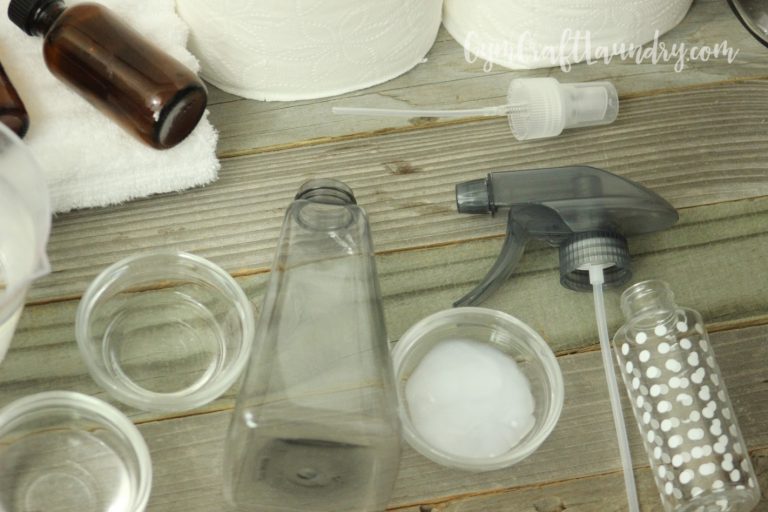
Having something simple you can use to clean up without a full shower can make a huge difference—not just physically, but mentally too.
Because when you feel even a little bit more human, everything else feels more manageable.
Showering and Feeling Human Again
Support Bar for the Bathroom
Showering after a C-section is harder than you expect.
Standing for that long is tiring. Bending and reaching isn’t easy. And even if you’re cleared to shower, you’re still aware of your incision the entire time.
It’s already common knowledge that new mothers struggle to find time to shower in the early months. It’s worse when you are also stressed out about the incision.
That is another reason why having a peri bottle and having something simple to use for cleansing is ideal.
Something else that is super helpful is a shower grab bar. These are typically marketed for senior citizens but are also found in drug stores or online to help in surgery recovery. It’s simply a handle that can help keep you steady when you are getting in or out of the shower or tub. My mother-in-law installed one in ours years ago and it has been helpful for everyone!
Managing Pain Without Falling Behind
It’s much easier to stay ahead of pain than it is to chase it. After a c-section, it is super important to take your medications on time rather than waiting for the pain to get bad. Medication should be taken as prescribed by your doctor.
A dry erase board or a scratch pad will make it much easier to remember when you need to take your next dose. Trust me, you’ll be in pain, swollen, and are taking care of a new baby who doesn’t know day from night… your brain won’t be at a 100% and that is normal.
Ice packs, heating pad, abdominal binder
The abdominal binder and ice packs can also be used to provide relief during recovery. Loose clothing and underwear that don’t irritate your incision site will also prevent more pain and chafing.
The Little Things That Make You Realize You Just Had Surgery
- The cough, sneeze, or laugh that makes you afraid to breathe for a few seconds.
- The sharp pain when the elastic band of your underwear hits right on your incision.
- The first time you try to sit up without thinking—and immediately regret it.
- Rolling over in bed and realizing it’s not a simple movement anymore.
- Trying to get comfortable and nothing quite feeling right.
- The moment you forget and reach for something just a little too far away.
- Getting in or out of the car and wishing you could undo the movement halfway through.
- Standing for a few minutes longer than you should and feeling it catch up to you.
- The hesitation before every movement—because you know you’re going to feel it.
- Holding your incision when you move, cough, or laugh just to feel a little more stable.
Why This Prep Still Makes Sense (Even If You Don’t Have End Up Needing a C-Section)
Here’s the part I wish I had thought about ahead of time:
None of this is wasted.
Even if you have a vaginal delivery, a lot of these same things still help.
You’re still sore. You’re still recovering. You’re still figuring out how to move, rest, and take care of yourself while also taking care of a newborn.
You may not need to protect an incision—but you will need comfort.
Those “granny panties”? They suddenly make a lot more sense when you’re dealing with postpartum bleeding and wearing large pads around the clock.
And in case no one has told you yet—tampons aren’t an option right after birth because of infection risk. So yes… it’s pads for a while.
Things that help you stay clean, sit comfortably, and move without strain don’t stop being useful just because your delivery was different.
Even something like a shower grab bar—originally installed for recovery—ends up being helpful long after, especially once kids start climbing in and out of the tub.
And if your birth doesn’t go exactly as planned?
You won’t be trying to figure all of this out after the fact.
You’ll already have what you need—especially when it comes to simple ways to stay clean during recovery.